
Zombies don’t Run
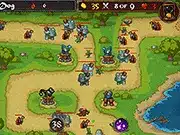







About Zombies don’t Run
Imagine a world where the undead don’t lunge with rabid fury, but instead shamble with an inexorable, suffocating slowness. This subtle yet profound shift is the ingenious premise behind Zombies don’t Run, a game that has utterly redefined my expectations for the survival genre. From the moment I first navigated its desolated streets, I was hooked by its distinctive blend of resource management, tactical evasion, and nerve-wracking tension. It’s not about breakneck speed or superhuman agility; it’s about meticulous planning and a deep understanding of your limitations and the environment. This game doesn’t just ask you to survive; it challenges you to outthink the apocalypse, forcing you to engage with its mechanics on a cerebral level that few other titles achieve. The sheer popularity of Zombies don’t Run isn’t a mystery; it’s a testament to its fresh perspective and addictively strategic gameplay.
There’s an undeniable allure to a game that subverts expectations, and Zombies don’t Run delivers this in spades. It quickly became a sensation within the gaming community, sparking countless discussions and strategy guides. Players aren’t just flocking to it; they’re dissecting its every nuance, sharing their nail-biting escapes, and celebrating their meticulously planned maneuvers. This isn’t just another zombie game; it’s an experience that meticulously crafts a world where every decision carries weighty consequences, making each playthrough an exhilarating journey into strategic survival. The thrill of outsmarting a relentless, albeit slow, horde is a unique satisfaction that keeps players returning to this brilliantly designed survival challenge.
About Zombies don’t Run
At its core, Zombies don’t Run isn’t your typical frantic escape simulator. Instead, it places you in the worn boots of a lone survivor navigating a crumbling urban landscape, where the primary threat isn’t swift pursuit but overwhelming numbers and environmental decay. The ingenious twist of the “Zombies don’t Run” title lies in the literal truth: the undead are slow, predictable, and relentless, creating a strategic puzzle rather than a reflex test. Your character, too, has limited stamina for actual running, emphasizing thoughtful movement and resource conservation over panicked sprints. This forces a completely different approach to survival, transforming the conventional chase into a delicate dance of evasion and defensive preparation.
The game unfolds in a beautifully desolate post-apocalyptic world, characterized by abandoned vehicles, crumbling buildings, and the ever-present, eerie quiet punctuated only by the shuffle of the horde. There’s no grand narrative in the traditional sense, but an emergent story shaped by each player’s desperate struggle to reach successive safe zones. The primary goal in Zombies don’t Run is to simply survive long enough to reach these designated waypoints, gathering crucial supplies along the way to bolster your chances. This journey is fraught with peril, as every step must be calculated to avoid being cornered by the ever-approaching masses.
What truly sets this Zombies don’t Run game apart is its innovative resource management system intertwined with real-time strategic deployment. You’re constantly scavenging for materials—broken planks, scrap metal, tattered cloth—that can be instantly repurposed into makeshift barricades, noise traps, or even temporary distractions. These aren’t just passive items; they are active tools in your fight for survival, demanding quick thinking and precise placement. The overall gaming experience is a constant tightrope walk between gathering essential supplies and avoiding detection, amplified by the chilling realization that direct confrontation is rarely a viable option. It’s a masterful exercise in tension building, where the threat is less about immediate impact and more about the suffocating inevitability of the horde.
When you first dive into the world of Zombies don’t Run, you’ll immediately grasp the unique challenge. You’re not just moving; you’re planning several steps ahead, predicting horde movements, and identifying optimal scavenging points. The game masterfully balances risk and reward, making every decision, from which alley to navigate to which resource to prioritize, feel critically important. This dynamic engagement ensures that players are always on the edge of their seats, fully immersed in the desperate struggle against an enemy that doesn’t need speed to be terrifyingly effective. It’s a game that respects your intelligence, rewarding cleverness and foresight above all else.
How to Play Zombies don’t Run
Engaging with the unique mechanics of Zombies don’t Run requires a precise understanding of its control scheme and strategic principles. Movement is intuitive but demands careful execution: use the W, A, S, D keys to guide your survivor through the environment. Unlike many action games, rapid movement is not always your friend here. Pressing the Shift key allows for a temporary sprint, invaluable for escaping tight spots or covering open ground quickly, but watch your stamina bar closely; it depletes rapidly and recharges slowly. Mismanaging your stamina can leave you vulnerable, trapped between slow-moving threats.
Scavenging is absolutely critical for survival in this apocalyptic landscape. To interact with abandoned vehicles, overturned dumpsters, or accessible building interiors, simply move your character close and press the E key. A small progress bar will appear, indicating the time it takes to search. This leaves you exposed, so choose your scavenging locations wisely, ideally with a clear escape route or a natural choke point. The items you collect, such as “Scrap Metal” and “Torn Fabric,” are not for direct combat but are the building blocks for your defenses. Successfully scavenging provides the resources you need to stay one step ahead of the shuffling masses.
The core of surviving in Zombies don’t Run online lies in your ability to strategically deploy makeshift defenses. With materials in hand, press the Q key to switch to your construction blueprint mode. This will highlight viable deployment zones on the ground, often narrow passages or doorways. Using your left mouse button, click on a highlighted zone to place a barricade or a noise trap. Barricades, constructed from scavenged wood and metal, temporarily block zombie pathways, buying you precious seconds or forcing the horde into a more manageable route. Noise traps, made from scrap and fabric, emit a loud clang upon activation, diverting nearby undead to their location, providing a critical distraction for your escape.
Your main objective in each segment of Zombies don’t Run is to navigate to the next designated “Safe Zone,” marked prominently on your mini-map as a pulsating green beacon. There are also secondary objectives, such as clearing a specific area of high-value supplies or activating a communication relay, which reward you with bonus points and rare crafting components. Beginner players should prioritize understanding the zombie’s pathing logic; they tend to take the shortest, most direct route to your last known position. Learning to “kite” them around obstacles or using noise traps to pull them away from your intended path is fundamental. Experiment with barricade placement early on to grasp how to effectively funnel the horde, turning their slowness into your tactical advantage rather than a slow, inevitable doom.
What Makes Zombies don’t Run Special
The genius of Zombies don’t Run isn’t just in its catchy title; it’s in the multitude of meticulously crafted elements that coalesce into an extraordinarily engaging and deeply satisfying survival experience. This isn’t a game that relies on cheap jump scares or endless waves of identical enemies; it’s a masterclass in tension, strategy, and environmental storytelling that resonates profoundly with players seeking a fresh take on a familiar genre. Its innovative mechanics transform the typical zombie encounter into a thoughtful, often heart-pounding, strategic puzzle.
- Strategic Resource Management: Every piece of scavenged scrap is a critical component for survival, leading to tense decisions about what to build and when.
- Dynamic Threat Progression: The “slow but sure” zombie horde evolves, gradually introducing new, more resilient, or perception-enhanced variants, maintaining a fresh challenge.
- Adaptive Environment Interaction: Players can manipulate the environment, from closing gates to collapsing unstable structures, creating temporary safe havens or new pathways.
- Intricate Trap Deployment System: The ability to craft and place diverse traps—barricades, noise emitters, temporary distractions—allows for truly creative problem-solving.
- Stamina-Based Movement: The limited sprint mechanic forces players to think strategically about movement, preventing mindless dashing and rewarding careful navigation.
- Emergent Storytelling: Without explicit cutscenes, the narrative unfolds through your desperate actions, the discovered notes, and the desolate scenery, making each journey personal.
- Punishing Yet Fair Difficulty: The game’s challenge feels significant, yet never insurmountable, rewarding persistence and learning from past mistakes.
- Responsive AI Pathing: Zombies react logically to sound and sight, making the use of distractions and stealth incredibly effective and satisfying.
- Visually Distinctive Art Style: A gritty, detailed aesthetic perfectly captures the mood of a decaying world without sacrificing clarity or gameplay readability.
- Engaging Sound Design: The subtle shuffles, distant moans, and the frantic heartbeat when detected create an immersive and truly chilling atmosphere.
These features combine to create a deeply unique gaming loop that rewards foresight, quick thinking, and adaptability. It’s the synthesis of these distinct elements that elevates Zombies don’t Run beyond a mere time-killer, cementing its place as a truly special and popular game among those who crave intellectual engagement alongside their thrills. Each playthrough feels distinct, fueled by the player’s evolving mastery over the game’s intricate systems, proving that innovation can truly breathe new life into an established genre.
Mastering Zombies don’t Run
To truly excel at Zombies don’t Run and push past mere survival into high-score territory, you need to move beyond basic mechanics and adopt a more proactive, strategic mindset. The game rewards meticulous planning and a deep understanding of its subtle nuances. It’s not enough to react; you must anticipate and manipulate the environment and the horde to your advantage. Becoming a master means seeing several steps ahead, turning potential threats into opportunities for efficient resource gathering and escape.
A key advanced technique involves “micro-kiting” zombies around specific environmental features. Instead of just running away, use overturned buses, narrow corridors, or even the remnants of destroyed buildings to force groups of zombies into predictable, elongated paths. This buys you maximum time for scavenging nearby, or for deploying a perfectly placed barricade that effectively cuts off a significant portion of the pursuing horde. Furthermore, always be on the lookout for hidden stashes. Sometimes, a seemingly dead-end alley might contain a crucial cache of rare materials, but accessing it requires a calculated risk and often a clever use of noise traps to divert patrols.
Mastering your inventory and crafting system is paramount. Don’t just craft the first barricade you can. Learn to prioritize “Advanced Barricades” (which typically require more diverse materials) for critical chokepoints, as they take significantly longer for zombies to break through. Save your “Enhanced Noise Traps” for when you need a wide-area diversion, particularly if you’re attempting to clear a heavily infested scavenging zone. Remember, your tools are not just defensive; they are offensive in their ability to shape the battlefield. An expertly deployed noise trap can pull zombies away from a path you need to clear, essentially “opening” a route that was previously inaccessible.
One of the most powerful strategies is to learn the “despawn mechanics” of obstacles and zombies. While zombies are relentless, certain temporary barricades, once breached, will slowly degrade and eventually disappear, allowing you to re-use that chokepoint later. Similarly, understanding the subtle timing of when a diverted zombie horde might “lose interest” and return to its general patrol area can allow for daring dashes through previously dangerous territory. It’s about more than just surviving; it’s about dominating the environment and bending the zombie AI to your will, transforming a desperate escape into a controlled, strategic sprint through the apocalypse in this engaging Zombies don’t Run game.
Different Ways to Play
While the core experience of Zombies don’t Run centers around its thrilling survival mode, the developers have thoughtfully integrated several variations that significantly enhance replay value and cater to different playstyles. Beyond the standard “Campaign Mode,” which features progressively more challenging sectors to escape, there’s a compelling “Endless Scavenge” mode. Here, the objective shifts from reaching a specific safe zone to seeing how long you can survive and how many resources you can accumulate before being overwhelmed. This mode is a true test of endurance and efficient resource management, with leaderboards encouraging competitive play among the community for the longest survival streaks.
The game also introduces escalating difficulty levels, moving from “Scout” for beginners, which offers more forgiving stamina regeneration and fewer zombie variants, to “Veteran” and the brutally unforgiving “Apocalypse” mode. “Apocalypse” mode drastically reduces available resources, increases zombie density, and introduces more aggressive undead mutations earlier in the game, demanding absolute mastery of every mechanic. Progression isn’t just about high scores; players can unlock new character skins, each with subtle gameplay modifiers (like increased carrying capacity or slightly faster scavenging speed), or access advanced trap blueprints as they complete specific challenges or survive for extended periods. This continuous stream of unlockables keeps the experience fresh and motivates players to return to their favorite Zombies don’t Run online sessions.
Special “Daily Challenges” also inject a fresh dose of variety, offering unique scenarios with specific objectives, such as “survive for 10 minutes using only noise traps” or “escape without deploying any barricades.” These challenges often come with unique rewards, fostering experimentation and deep dives into the game’s mechanics. The inherent replayability of Zombies don’t Run stems from its dynamic level generation and the sheer strategic depth that allows for countless approaches to any given situation. No two runs feel exactly alike, guaranteeing a constantly evolving and engaging challenge.
What Makes This Game Addictive
The magnetic pull of Zombies don’t Run is a fascinating study in psychological engagement, making it incredibly addictive. It’s not simply the thrill of narrowly escaping death; it’s the profound satisfaction derived from executing a perfectly orchestrated plan that keeps players coming back. The game expertly taps into our primal desire for mastery and control, providing a complex system that, while challenging, is utterly conquerable with enough thought and practice. Each successful run feels like a personal triumph, a testament to your strategic acumen against seemingly insurmountable odds.
Community feedback frequently highlights this sense of intellectual gratification. As ‘ResourceNinja’ once commented in a forum, “I thought I hated zombie games, but then I played Zombies don’t Run. It’s like a chess match where the pieces are shambling undead, and the board is constantly collapsing around you. Pure genius!” Another player, ‘TacticalTurtle,’ shared, “That feeling when you lure half the horde with a well-placed noise trap, then sprint through the now-clear path you built with a barricade… there’s nothing else like it. It’s exhilarating!” These sentiments underscore the game’s ability to create memorable, triumphant moments through player agency.
Beyond the strategic depth, the game masterfully employs a “just one more run” loop. The randomized map generation, combined with the subtle variations in zombie behavior and resource spawns, ensures that no two playthroughs are ever identical. This constant novelty, coupled with the immediate feedback of success or failure, fuels a powerful desire to refine strategies, explore new routes, and push personal boundaries. The fun factor isn’t just in the action; it’s in the continuous learning, adapting, and ultimately, conquering the unique challenges presented by this exceptional Zombies don’t Run game.
Is Zombies don’t Run Right For You?
If your gaming preferences lean towards thoughtful strategy, meticulous planning, and the intellectual satisfaction of outsmarting an enemy rather than simply out-shooting them, then Zombies don’t Run is unequivocally a game you need to experience. It’s ideal for players who appreciate resource management, real-time tactical decision-making, and a sense of constant, underlying tension. This isn’t a twitch-shooter for those seeking instant gratification through combat; it’s a slow burn that rewards patience, observation, and adaptability. If you’ve found yourself drawn to titles that emphasize survival mechanics, intricate trap placement, or even puzzle-solving within a dynamic environment, then this game will resonate deeply with you.
The game presents an easy to intermediate learning curve, making it accessible to a wide range of players. Beginners can grasp the core movement and scavenging mechanics quickly, while the deeper strategic layers unfold naturally through experience. There’s no steep barrier to entry, but there’s a significant skill ceiling that offers endless opportunities for mastery. Age recommendations would typically fall into the “Teen” category, given the themes of survival and light gore, but the emphasis remains on strategic gameplay over graphic violence. If you enjoy games like “This War of Mine” for its resource dilemmas, or even certain tower defense titles for their placement strategies, you’ll find a unique blend in Zombies don’t Run that’s utterly captivating.
Furthermore, if you’re a fan of browser-based games that deliver surprising depth and quality without requiring a hefty download, then exploring Zombies don’t Run online is a must. Its accessibility makes it perfect for quick, intense sessions or extended periods of immersive play. Whether you’re a seasoned strategist yearning for a fresh challenge or a curious newcomer intrigued by a unique take on the apocalypse, the game’s innovative approach to survival ensures there’s a rewarding experience waiting. It’s a testament to brilliant game design that caters to those who value cunning over brute force in their digital escapades.
Why You Should Play Zombies don’t Run Today
In a gaming landscape often saturated with repetitive formulas, Zombies don’t Run stands out as a beacon of genuine innovation, delivering an experience that is as intellectually stimulating as it is thrilling. It masterfully redefines the zombie genre, transforming mindless hordes into strategic puzzles and transforming frantic escapes into calculated maneuvers. The game’s unparalleled blend of detailed resource management, dynamic trap deployment, and relentless tension creates a survival adventure unlike any other. You won’t just be playing a game; you’ll be pitting your wits against an entire ecosystem of decay, proving that smarts can indeed overcome overwhelming numbers.
The unique charm of this popular game lies in its ability to consistently deliver “aha!” moments, where a cunning plan comes together perfectly, or a desperate improvisation saves your skin against all odds. It’s these moments of triumphant ingenuity that solidify its place as an unforgettable title. The continuous flow of challenges, coupled with the satisfaction of personal growth and strategic mastery, ensures an incredibly deep and rewarding journey. Every decision feels meaningful, every resource precious, and every escape a monumental achievement against the slow, inexorable tide of the undead.
Don’t miss out on the opportunity to immerse yourself in this brilliantly conceived world. Whether you’re looking to challenge your strategic thinking, enjoy a truly fresh take on survival, or simply want to experience a game that consistently surprises and delights, Zombies don’t Run offers an experience that is both demanding and immensely gratifying. Stop reading and start playing this exceptional Zombies don’t Run game right now. Your ingenuity is the only thing standing between you and the inevitable, and the thrilling journey of proving your survival instincts awaits. Dive in and discover why so many players are passionately proclaiming this game a true masterpiece!